In today’s fast-moving digital world, short forms and abbreviations dominate how people communicate. One such term that often confuses users is “BC.”
You might have seen it in messages, social media comments, or even gaming chats and wondered what it actually means.
The tricky part is that “BC” doesn’t have just one meaning it can change depending on context, tone, and even cultural background.
People search for this term because it can be unclear, sometimes harmless, and other times surprisingly offensive.
Misunderstanding it could lead to awkward or even uncomfortable situations. That’s why it’s important to understand how “BC” is used, where it comes from, and when it’s appropriate or not to use it.
Definition & Meaning
“BC” is a widely used abbreviation in text messaging, but its meaning depends heavily on the situation. Broadly speaking, it has two major interpretations:
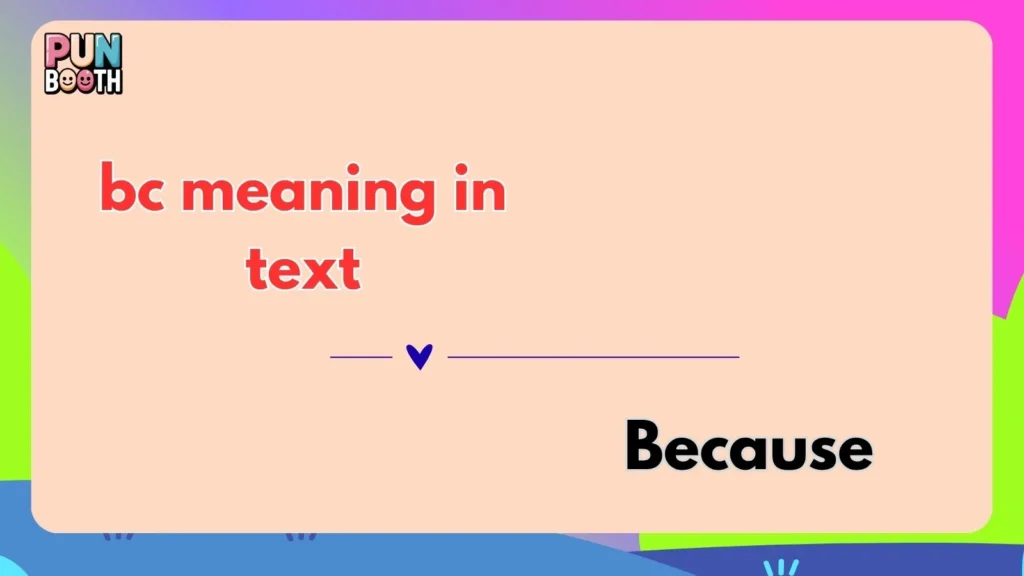
1. “Because” (Neutral Meaning)
In many casual conversations, “BC” simply stands for “because.” It’s used as a quick shorthand to save time while typing.
Example:
- “I didn’t go out bc I was tired.”
This version is completely harmless and commonly used in informal chats, especially among younger users.
2. Slang/Offensive Meaning
In some regions, particularly South Asia, “BC” can be used as slang with a vulgar or insulting meaning. It may be used jokingly among friends or aggressively in arguments. The tone and relationship between speakers matter a lot here.
Because of this dual meaning, “BC” can either be completely innocent or highly inappropriate. Context is everything. If you’re unsure, it’s always safer to avoid using it casually, especially with people you don’t know well.
Background & History
The abbreviation “BC” has evolved over time alongside digital communication trends. Originally, shortened forms like “bc” (for “because”) emerged during the early days of SMS messaging, when character limits encouraged users to compress words.
As texting and online chatting became more popular, abbreviations like “bc,” “u” (you), and “idk” (I don’t know) became standard. These were especially common in early mobile phones and chatrooms where typing speed mattered.
However, the slang version of “BC” has a completely different origin. It comes from regional spoken language and later made its way into online spaces. Over time, social media platforms and gaming communities helped spread both meanings globally.
Today, the meaning of “BC” is shaped by:
- Platform (WhatsApp, Instagram, gaming chats)
- Region (Western vs South Asian usage)
- Relationship (friends vs strangers)
This evolution shows how language adapts quickly in digital environments. A simple two-letter abbreviation can carry entirely different meanings depending on who uses it and where.
Usage in Various Contexts
“BC” appears in many types of conversations, and understanding context is key to interpreting it correctly.
1. Casual Texting
Used as “because” in everyday chats:
- “I stayed home bc it was raining.”
2. Social Media Comments
Often used for quick responses or explanations:
- “I liked this post bc it’s relatable.”
3. Gaming Chats
In gaming, “BC” may be used casually or as slang. Sometimes it can turn aggressive depending on the situation.
4. Friendly Banter
Among close friends, especially in certain cultures, it may be used jokingly. However, outsiders might find it offensive.
5. Arguments or Heated Conversations
Here, “BC” may carry a negative or insulting tone. This is where misunderstandings often happen.
To avoid confusion, always pay attention to:
- Tone of the message
- Relationship with the sender
- Platform where it’s used
Common Misconceptions & Clarifications
One of the biggest misconceptions about “BC” is that it always means something offensive. That’s not true.
Misconception 1: It’s always a bad word
Reality: It can simply mean “because” in many conversations.
Misconception 2: Everyone uses it the same way
Reality: Meaning varies by region and culture.
Misconception 3: It’s safe to use everywhere
Reality: Using it in professional or formal settings can be risky.
Misconception 4: Tone doesn’t matter
Reality: Tone completely changes how “BC” is perceived.
Clarifying these misunderstandings helps avoid awkward or inappropriate communication.
Similar Terms & Alternatives
If you want to avoid confusion, there are many alternatives to “BC”:
For “because”:
- Because (full word)
- Cuz / Cos (casual)
- Since (formal alternative)
For casual texting:
- “That’s why”
- “Due to”
Using clear language can help prevent misinterpretation, especially when communicating with new people.
How to Respond to This Term
Your response depends on how “BC” is being used.
If it means “because”:
- Just reply normally. No special reaction needed.
If it seems offensive:
- Stay calm and don’t escalate.
- Ask for clarification if unsure.
- Ignore or disengage if the tone is negative.
If used jokingly among friends:
- Respond based on your comfort level.
- If you’re uncomfortable, set boundaries.
Understanding intent before reacting is always the best approach.
Regional or Cultural Differences
The meaning of “BC” varies greatly across regions:
Western Countries (USA/UK):
- Mostly used as “because”
- Rarely seen as offensive
South Asia (India, Pakistan):
- Can be slang with strong language
- Often used casually among friends but may be offensive
Online Global Communities:
- Mixed usage depending on participants
Because of these differences, what’s normal in one culture might be inappropriate in another.
Comparison with Similar Terms
“BC” is often compared with other abbreviations:
- “Cuz” / “Cos” – Safer casual alternatives
- “IDK” – Means “I don’t know”
- “TBH” – Means “to be honest”
Unlike these, “BC” has dual meanings, making it more context-sensitive and potentially risky.
Usage in Online Communities & Dating Apps
On platforms like social media and dating apps, clarity matters.
In Dating Apps:
- Using “bc” as “because” is fine
- Avoid slang meanings to prevent misunderstandings
In Online Communities:
- Tone can be misread easily
- Use clear language when talking to strangers
Since first impressions matter, it’s better to keep communication simple and respectful.
Hidden or Offensive Meanings (250–500 words)
The offensive version of “BC” is where most problems arise. It can be used:
- As an insult
- In jokes (among close friends)
- In arguments
Even if meant humorously, it may offend others. That’s why it’s important to know your audience before using it.
Suitability for Professional Communication
“BC” is generally not suitable for professional settings.
Avoid using it in:
- Emails
- Job applications
- Business communication
Instead, use full words like “because” to maintain clarity and professionalism. Shortcuts like “BC” may appear unprofessional or confusing.
FAQs:
What does BC mean in texting?
It usually means “because,” but can also have slang meanings depending on context.
Is BC a bad word?
Not always. It can be neutral or offensive depending on how it’s used.
Can I use BC in professional messages?
No, it’s better to use full words like “because.”
Why do people use BC instead of because?
It saves time and effort while typing.
Is BC used worldwide the same way?
No, meanings vary across cultures and regions.
How do I know which meaning is intended?
Look at the context, tone, and who is sending the message.
Conclusion:
“BC” is a simple abbreviation with surprisingly complex meanings. While it often stands for “because” in casual conversations, it can also carry slang or offensive meanings in certain cultures.
This dual nature makes it important to understand context before using or responding to it.
To avoid confusion, it’s best to use clear language, especially in formal or unfamiliar settings. When in doubt, choose safer alternatives and focus on respectful communication.
Understanding terms like “BC” helps you navigate digital conversations more confidently and avoid unnecessary misunderstandings.

Hi, I’m Leo Anderson, the creator behind PunBooth, a space dedicated to exploring meanings, slang, text abbreviations, and the ever-evolving language of the internet.
At PunBooth, my goal is simple: to make complex words, confusing slang, and trending phrases easy to understand for everyone. Whether it’s a viral text abbreviation, a hood slang term, or a word you’ve seen online but didn’t quite get, I break it down into clear, simple, and human-friendly explanations.