If you’ve ever received a text message or seen a profile online that says “DTF?”, you might have paused and wondered what it actually means. Internet slang evolves rapidly, and many abbreviations can feel confusing or even awkward if you don’t know the context. One of the terms that frequently sparks curiosity is DTF meaning in text.
People search for this phrase because they encounter it on social media, dating apps, chat platforms, and casual text conversations. Since the abbreviation is often used informally, its meaning may not always be obvious—especially for people who are new to online slang.
Understanding this term is important because its meaning can sometimes be direct, humorous, or even inappropriate depending on the context. Knowing when and how it is used helps avoid misunderstandings and ensures you respond appropriately.
Definition & Meaning
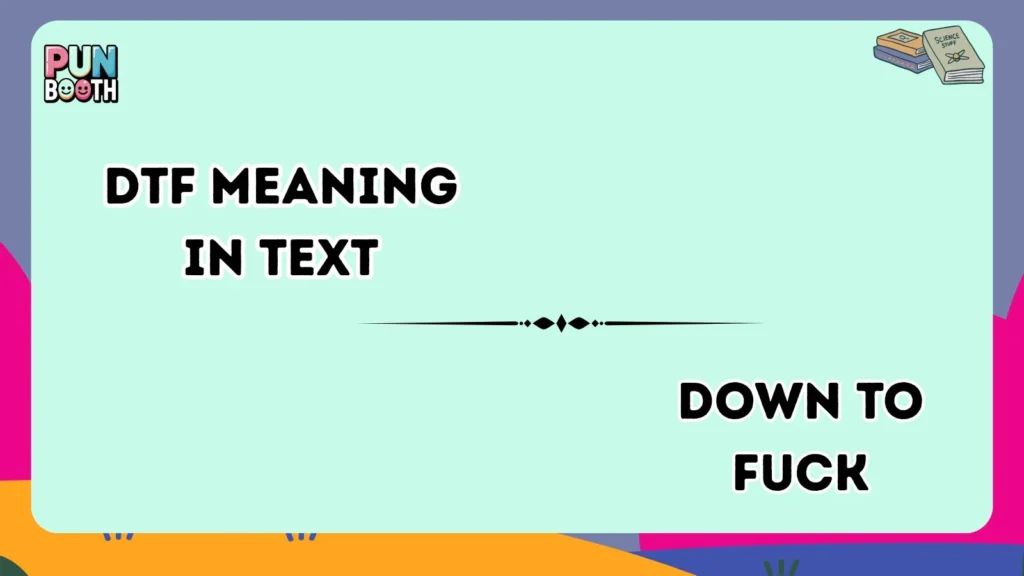
The abbreviation DTF is a piece of internet slang commonly used in texting, messaging apps, and online communities. The most widely recognized meaning of DTF is “Down To F*.”** In everyday conversation, it refers to someone being willing or open to engaging in a casual sexual encounter.
Because the phrase includes explicit language, people usually abbreviate it as DTF instead of writing the full phrase. The abbreviation allows users to communicate quickly while avoiding writing the explicit wording directly.
In text conversations, DTF is usually used in a question format, such as:
- “Are you DTF?”
- “Anyone here DTF tonight?”
- “She said she’s not DTF.”
In these examples, the person is asking or stating whether someone is interested in a casual sexual relationship or encounter.
However, context plays a huge role. Sometimes the abbreviation may be used jokingly among friends or as a sarcastic comment in memes. For example:
- “DTF? Down to food!”
- “Always DTF—Down to fries.”
These playful versions show how internet slang can evolve and be repurposed humorously.
Despite the humorous variations, the primary meaning remains related to casual sexual interest, which is why the abbreviation is typically used in informal or adult conversations rather than professional communication.
Understanding the meaning helps people recognize when a message is meant seriously, jokingly, or sarcastically.
Background & History
The phrase behind the abbreviation DTF gained widespread popularity in the late 2000s and early 2010s as texting culture and online dating platforms became more common.
Although the concept existed earlier, the slang term became widely known through pop culture, reality television, and internet forums. As social media grew, abbreviations became a convenient way for people to communicate quickly using smartphones.
Internet slang often spreads when it is used frequently in popular media, memes, or viral conversations. DTF followed this pattern. Once the abbreviation appeared in online communities, it quickly became recognizable across platforms like:
- Messaging apps
- Social media platforms
- Online forums
- Dating applications
The rise of dating apps and casual online interactions further accelerated its use. In environments where people were openly discussing relationships or hookups, short abbreviations made conversations faster and more direct.
Over time, the abbreviation became part of modern digital vocabulary, especially among younger internet users. However, the term still carries a very casual and sometimes explicit tone, which is why it remains largely limited to informal communication.
Today, DTF is widely understood in many English-speaking online spaces, though not everyone uses it or feels comfortable with it.
Usage in Various Contexts
The meaning of DTF in text messages can vary slightly depending on where and how it is used. While the core meaning remains the same, the tone and intention may differ.
1. Casual Text Conversations
In private messages, someone might use DTF to ask directly about someone’s interest in casual intimacy. This usually appears in informal conversations between adults.
Example:
“Hey, are you DTF tonight?”
2. Dating Apps
Dating apps are one of the most common places where this abbreviation appears. Some users include it in their profile or messages to indicate they are looking for casual encounters rather than serious relationships.
Example:
“Just visiting town, DTF if you are.”
3. Social Media and Memes
Online humor often transforms slang into jokes. In memes, DTF may be reinterpreted to mean something funny or harmless.
Examples include:
- Down To Food
- Down To Fun
- Down To Fries
These playful meanings allow people to use the abbreviation without the explicit connotation.
4. Online Gaming or Communities
Occasionally, the term might appear jokingly in group chats or gaming communities, usually not meant literally.
Because context changes the tone, it’s important to interpret the meaning based on the platform and conversation style.
Common Misconceptions & Clarifications
Many people misunderstand the abbreviation DTF, especially if they encounter it for the first time.
One common misconception is that it simply means “ready to hang out.” While some people interpret it this way, the original meaning is more sexually suggestive, which can create awkward situations if misunderstood.
Another misunderstanding is assuming the term is always serious. In reality, many internet users employ it humorously in memes or jokes.
For example, a friend might say:
“DTF? Down to food!”
In this context, the phrase has nothing to do with its original meaning and is purely comedic.
A third misconception is thinking the abbreviation is appropriate in any conversation. Because it contains an explicit implication, it is generally not suitable for professional or formal settings.
Understanding these clarifications helps people avoid misinterpretations and respond appropriately when encountering the abbreviation.
Similar Terms & Alternatives
Internet slang often evolves by creating multiple abbreviations that express similar ideas. DTF is just one of many terms used in casual digital communication.
Some related expressions include:
- NSA – No Strings Attached
- FWB – Friends With Benefits
- Hookup – Casual meeting for intimacy
- Netflix and chill – Often used as a humorous euphemism
These phrases may appear in similar contexts, particularly on dating platforms or informal chats.
However, each term has slightly different implications. For example, FWB usually implies an ongoing arrangement, while DTF often suggests immediate willingness.
Recognizing these differences helps people understand the tone and expectations behind various online slang expressions.
How to Respond to This Term
If someone sends you a message asking whether you are DTF, your response should depend on your comfort level and the context of the conversation.
If You’re Not Interested
You can respond politely but clearly, such as:
- “That’s not what I’m looking for.”
- “I prefer something more serious.”
If the Message Makes You Uncomfortable
It’s perfectly acceptable to ignore the message or set boundaries.
Example:
“I’m not comfortable with that kind of conversation.”
If It’s Used as a Joke
Sometimes the safest response is humor.
Example:
“DTF? Always down to food!”
Understanding how to respond ensures you maintain control of the conversation and avoid awkward situations.
Regional or Cultural Differences
Although the abbreviation DTF is widely recognized in English-speaking internet communities, its familiarity can vary depending on culture, region, and age group.
In some countries, the abbreviation may not be widely understood because local slang and texting habits differ. For example, people who primarily communicate in languages other than English might encounter the term only occasionally on global social media platforms.
Age also plays a role. Younger internet users who grew up with social media often recognize digital slang quickly, while older users may need to look up meanings when they appear in messages.
Cultural attitudes toward casual dating and explicit language also influence how comfortable people feel using or responding to the term.
Because of these differences, it’s always wise to consider cultural context and audience before using internet slang.
Comparison with Similar Terms
While DTF is commonly used in casual digital conversations, it differs from several other slang expressions related to relationships or dating. Understanding these differences helps prevent confusion when encountering similar abbreviations online.
For example, FWB (Friends With Benefits) typically refers to a situation where two people maintain a friendship while also engaging in a physical relationship without romantic commitment. This arrangement usually involves ongoing interaction and mutual understanding between both individuals.
On the other hand, NSA (No Strings Attached) describes a relationship where both people agree that there are no emotional expectations or long-term commitments. The focus is purely on casual interaction without deeper involvement.
In comparison, DTF is often more direct and immediate. Instead of describing a type of relationship, it usually indicates a person’s current willingness or interest in a casual encounter. Because of its blunt tone, it can sometimes come across as more forward than other slang terms.
Another commonly mentioned phrase is “Netflix and chill.” While this phrase sounds innocent on the surface, it has become a widely recognized euphemism suggesting romantic or intimate intentions. Unlike DTF, it often appears in a more humorous or indirect way.
By recognizing these distinctions, people can better understand the intent behind different online expressions and choose language that fits the situation.
Usage in Online Communities & Dating Apps
Online communities and dating platforms are among the most common places where people encounter the phrase DTF meaning in text conversations. These environments often encourage brief communication, which is why abbreviations and slang are widely used.
On dating apps, users sometimes include DTF in their profiles to indicate that they are interested in casual interactions rather than long-term relationships. This direct approach helps people communicate expectations quickly. However, not everyone appreciates such blunt language, so reactions may vary.
In group chats or online forums, the term might appear more playfully. For example, someone might jokingly ask if others are “DTF” when suggesting activities like ordering pizza, watching movies, or playing games together. In these cases, the abbreviation becomes part of internet humor rather than a serious question.
Different communities also have different communication norms. Some spaces encourage casual slang, while others prefer respectful and neutral language. For instance, professional networking communities rarely use abbreviations like DTF because they do not match the tone of the platform.
Overall, context is essential. Understanding the culture of the platform or community helps determine whether the term is appropriate, humorous, or potentially offensive.
Hidden or Offensive Meanings
Although DTF is commonly recognized as internet slang, it can sometimes carry uncomfortable or offensive implications, particularly if used in the wrong context.
Because the phrase refers to a willingness for a casual sexual encounter, sending it to someone without prior familiarity can feel intrusive or disrespectful. Many people interpret the message as overly direct, especially if it appears in a conversation that was previously neutral or friendly.
In certain situations, the term may also be used sarcastically or mockingly. For example, someone might use it in a joking way to tease friends, but if the humor isn’t clearly understood, the message could be misinterpreted.
Another potential issue is that people unfamiliar with the slang may not realize its meaning at first. This can lead to awkward conversations or misunderstandings once the definition becomes clear.
For these reasons, many individuals choose to avoid using the term entirely, especially when communicating with people they don’t know well. Being aware of the potential implications helps maintain respectful and considerate communication online.
Suitability for Professional Communication
When it comes to professional communication, the abbreviation DTF is generally considered inappropriate. Work emails, business messaging platforms, and professional social networks usually require language that is respectful, clear, and free from slang with explicit implications.
Using informal internet abbreviations can already appear unprofessional, but terms like DTF go further because they carry sexual connotations. Including such language in workplace conversations could create misunderstandings or even violate professional conduct policies.
Professional communication typically favors clear and neutral wording. Instead of slang, people rely on complete sentences and respectful phrasing to convey their ideas.
For example, if someone wants to ask about availability for an activity or meeting, it is far better to say something like:
“Are you available to meet later today?”
This type of phrasing avoids confusion and maintains a professional tone.
In general, it is best to reserve internet slang for casual conversations with friends rather than professional settings.
FAQs:
What does DTF mean in text messages?
DTF usually means someone is willing to have a casual sexual encounter, though it can sometimes be used jokingly in memes.
Is DTF always used in a sexual way?
Not always. Some people use it humorously to mean things like “Down To Food,” but the original meaning is sexual.
Where is the term DTF commonly used?
It often appears in texting, dating apps, social media, and informal online conversations.
Is it rude to ask someone if they are DTF?
It can be considered rude or inappropriate if sent to someone unexpectedly or without mutual interest.
Can DTF have a different meaning in jokes?
Yes. In memes and humorous posts it may refer to harmless phrases like “Down To Fries.”
Should the term be used in professional communication?
No. Because it has explicit connotations, it is not appropriate for workplace or formal communication.
Conclusion:
Internet slang continues to evolve as people communicate through text messages, social media, and online communities. Understanding DTF meaning in text helps prevent confusion and ensures that conversations remain clear and respectful.
While the abbreviation is widely recognized, it carries a very informal and often explicit meaning, which means it is best reserved for casual conversations where all participants understand the context. Misusing or misunderstanding the term can lead to awkward situations or unintended offense.
Being aware of its origin, usage, and alternatives allows people to navigate online communication more confidently. As with any slang, context and respect for others should always guide how and when the term is used.

Leo Anderson is a passionate content creator and digital storyteller dedicated to bringing humor and positivity to a global audience. With a talent for crafting witty puns and light-hearted jokes, Leo focuses on producing engaging, family-friendly content that is both entertaining and shareable.