If you spend time on social media, texting friends, or browsing online communities, you’ve probably come across short abbreviations that seem confusing at first glance. One of those popular internet slang terms is “IHY.” Many people search for the IHY meaning in text because it can appear in messages, comments, memes, and even dating apps, and its meaning can change depending on the context.
Internet slang evolves quickly. New abbreviations appear almost daily as people look for faster and more playful ways to communicate online. Because of this, short expressions like IHY can sometimes feel unclear or even misleading to those unfamiliar with them.
Understanding what IHY means can help you interpret messages correctly and avoid misunderstandings in digital conversations. In this article, we’ll explore the IHY meaning in text, its origins, common usage, possible interpretations, and when it is appropriate to use it in online communication.
Definition & Meaning
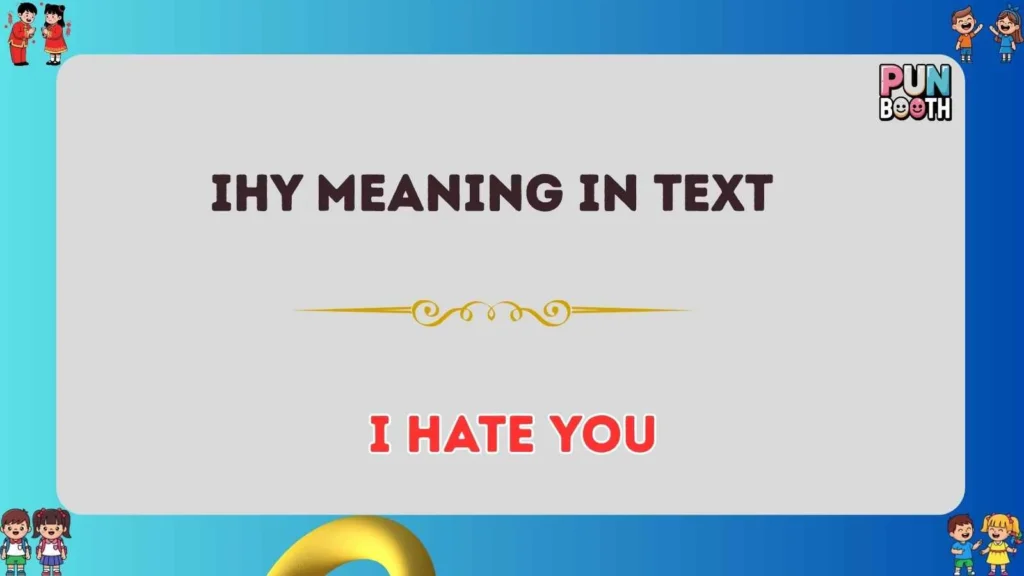
The IHY meaning in text usually stands for “I Hate You.” However, this phrase is not always meant literally. In many online conversations, IHY is used in a playful, joking, or exaggerated way rather than expressing genuine anger or dislike.
For example, a friend might say:
“IHY for sending me that hilarious meme because now I can’t stop laughing.”
In this context, the phrase doesn’t mean the person actually hates the sender. Instead, it’s a humorous expression that shows playful frustration or sarcasm.
The meaning often depends on tone, relationship, and context. When used between close friends, IHY usually signals joking annoyance or mock outrage. Among strangers or in serious discussions, however, it might appear harsher and be interpreted literally.
Key interpretations include:
- Playful frustration: joking complaint toward a friend
- Sarcastic reaction: used after something funny or surprising
- Literal anger: less common but possible in heated conversations
Because text messages lack voice tone and facial expressions, the intention behind IHY can sometimes be misunderstood. Emojis, punctuation, and conversation context usually help clarify the meaning.
For example:
- IHY 😂 → clearly playful
- IHY. → may sound more serious
Understanding this flexibility is essential when interpreting the term in digital communication.
Background & History
The rise of abbreviations like IHY is closely tied to the evolution of digital communication. Early internet chatrooms, instant messaging platforms, and SMS texting encouraged people to shorten phrases to save time and character space.
During the early 2000s, texting often had strict character limits. Users started creating shorthand expressions such as:
- LOL (Laughing Out Loud)
- BRB (Be Right Back)
- IDK (I Don’t Know)
IHY emerged within this culture of quick messaging and later spread through social media platforms.
As online communication grew with platforms like Twitter, Snapchat, and messaging apps, these abbreviations became part of everyday digital language. Memes and viral posts further accelerated their popularity.
IHY gained particular traction in meme culture, where exaggeration and playful sarcasm are common. People often use dramatic phrases ironically to emphasize humor.
For example, someone might post a funny photo and a friend comments:
“IHY this is too funny.”
The phrase works as a comedic exaggeration rather than an insult.
Today, IHY is widely recognized among younger internet users and active social media communities. Its meaning remains simple, but its tone varies greatly depending on context and relationship between the people communicating.
Usage in Various Contexts
Understanding the IHY meaning in text becomes easier when you look at how it appears in different online environments. The phrase can appear in casual texting, social media comments, memes, gaming chats, and even dating apps.
Casual texting
Among friends, IHY often expresses playful annoyance.
Example:
Friend: “I finished the entire pizza without you.”
You: “IHY 😂”
Here the phrase signals humor rather than genuine dislike.
Social media comments
People frequently use IHY under funny posts or memes.
Example:
“IHY this meme describes my life perfectly.”
The phrase exaggerates emotional reaction to something relatable.
Gaming chats
Gamers sometimes use the term jokingly when a friend defeats them in a game.
Example:
“IHY for stealing my win.”
Again, the tone is typically playful.
Dating apps
On dating apps, context matters more. Someone might use IHY jokingly if a match teases them or says something unexpectedly funny.
However, if used incorrectly, it might sound aggressive or confusing to someone unfamiliar with internet slang.
Meme culture
IHY often appears in captions, reaction images, and humorous posts. The phrase amplifies emotional reactions while maintaining a comedic tone.
Across these contexts, the key factor is relationship and tone. Between friends, it usually feels harmless. Between strangers, it may appear more negative.
Common Misconceptions & Clarifications
Because abbreviations remove tone and emotion from communication, misunderstandings can easily occur. Several misconceptions surround the IHY meaning in text.
Misconception 1: It always means genuine hatred
This is the most common misunderstanding. In many online conversations, IHY is simply playful sarcasm rather than real hostility.
Misconception 2: It is always offensive
While the phrase literally says “I hate you,” it is often used jokingly among friends. Offense usually depends on context and the relationship between speakers.
Misconception 3: Everyone understands it
Not everyone is familiar with internet slang. Older users or people new to online communities might interpret IHY literally.
Misconception 4: It is universally acceptable
Using IHY with strangers, coworkers, or in formal communication can sound rude or inappropriate.
Clarification
The phrase works best in informal, friendly conversations where both people understand the joking tone.
When unsure, it’s safer to use clearer expressions such as:
- “That’s hilarious”
- “You’re too funny”
- “I can’t believe you did that”
These alternatives avoid potential confusion while conveying the same playful feeling.
Similar Terms & Alternatives
Internet slang is full of expressions that communicate emotions quickly. If you understand the IHY meaning in text, you may notice several similar phrases that serve comparable purposes.

Some alternatives include:
IKR (I Know, Right)
Used when agreeing strongly with someone’s statement.
Example:
“This movie is amazing.”
“IKR!”
SMH (Shaking My Head)
Often used when expressing disbelief or mild frustration.
Example:
“You forgot your keys again?”
“SMH.”
OMG (Oh My God)
Used to express surprise, excitement, or shock.
LMAO (Laughing My Ass Off)
Indicates strong laughter or amusement.
ILY (I Love You)
Sometimes used humorously alongside playful insults between friends.
Each abbreviation serves a different emotional tone, but they share the same goal: quick and expressive communication in digital spaces.
Using the right expression helps prevent confusion and keeps conversations lighthearted.
How to Respond to This Term
When someone sends IHY in a message, your response should depend on context and tone.
If it’s clearly joking
You can respond playfully.
Examples:
- “You love me really.”
- “I know you secretly appreciate it.”
- “IHY too 😂”
If the tone seems serious
It may be better to clarify.
Example response:
“Wait, are you joking or serious?”
If you feel uncomfortable
You can set boundaries politely.
Example:
“I know you’re joking, but that phrase sounds harsh to me.”
Communication styles vary widely online, so responding calmly and respectfully helps maintain positive conversations.
Regional or Cultural Differences
Although internet slang spreads globally, its interpretation can vary depending on culture, language background, and familiarity with online trends.
In English-speaking online communities, the IHY meaning in text is widely recognized as playful sarcasm when used among friends. However, in regions where English is a second language, the phrase might be interpreted more literally.
For example:
- Some users may see the phrase as genuine hostility.
- Others may feel uncomfortable using it in casual conversation.
Age also plays a role. Younger internet users who spend time on platforms like TikTok, Instagram, or Discord are more likely to understand the humorous tone behind the phrase.
Meanwhile, professionals or older users may prefer clearer and more respectful wording.
Because of these cultural and generational differences, context becomes extremely important. When communicating with people from different backgrounds, it’s often better to avoid slang that might cause confusion.
Comparison with Similar Terms
To better understand the IHY meaning in text, it helps to compare it with similar expressions that appear in digital conversations.
| Term | Meaning | Tone |
|---|---|---|
| IHY | I Hate You | Often sarcastic or playful |
| ILY | I Love You | Positive and affectionate |
| SMH | Shaking My Head | Disapproval or disbelief |
| IDC | I Don’t Care | Neutral or dismissive |
| JK | Just Kidding | Clarifies that something is a joke |
Among these expressions, IHY is unique because it contains a negative phrase used humorously. That dual meaning makes it more dependent on context than many other abbreviations.
For example, “LOL” nearly always indicates laughter, but IHY could be interpreted as joking, teasing, or genuine frustration depending on the situation.
Because of this ambiguity, users often include emojis or extra words to clarify their tone.
Usage in Online Communities & Dating Apps
Online communities and dating platforms have their own communication styles, and slang plays a major role in shaping them.
Online communities
In gaming groups, meme pages, and chat servers, playful exaggeration is common. Saying “IHY” after a funny joke or surprising moment often signals camaraderie and shared humor.
Example:
“IHY for making me laugh during this serious meeting.”
Dating apps
On dating apps, tone becomes more sensitive. Someone might use the phrase jokingly when teasing a match, but it can also confuse people who don’t know the slang.
For example:
“IHY for choosing pineapple pizza.”
Here the phrase acts as light teasing rather than hostility.
However, because dating conversations involve people who may not know each other well, clearer humor is usually safer.
Hidden or Offensive Meanings
Most of the time, the IHY meaning in text is harmless. However, like many slang terms, it can sometimes carry a more negative tone.
If used during arguments or heated conversations, the phrase may genuinely express anger or dislike.
In such cases, context clues may include:
- Absence of emojis
- Short or abrupt messages
- Ongoing conflict in the conversation
Another potential issue is that humor does not translate equally across cultures or personalities. Some people may find the phrase offensive even when intended as a joke.
Because digital communication lacks tone of voice, small misunderstandings can escalate quickly. Using clear language helps prevent unnecessary conflict.
Suitability for Professional Communication
In professional settings, the phrase is generally not appropriate.
Work emails, corporate chats, academic discussions, and professional networking platforms require clear and respectful language.
Even if meant jokingly, saying “I hate you” in any form can appear unprofessional.
Better alternatives include:
- “That was unexpected.”
- “You got me there.”
- “That’s hilarious.”
Maintaining professional communication ensures that messages remain respectful and easy to interpret.
FAQs:
What does IHY mean in texting?
IHY usually means “I Hate You,” but it is often used jokingly or sarcastically among friends rather than expressing real anger.
Is IHY always negative?
No. In many online conversations it simply shows playful annoyance or humor.
Can I use IHY with strangers?
It’s usually safer not to, because people unfamiliar with the slang may interpret it literally.
Is IHY common on social media?
Yes, the phrase often appears in memes, comments, and casual conversations online.
Does IHY mean something different on dating apps?
The meaning is usually the same, but tone matters more since people may not know each other well.
Is it appropriate in professional messages?
No. Professional communication should avoid slang and phrases that could sound rude or hostile.
Conclusion:
The IHY meaning in text may seem simple at first, but its interpretation depends heavily on tone, context, and the relationship between the people communicating. While it literally stands for “I Hate You,” the phrase is commonly used online as playful sarcasm or exaggerated humor rather than genuine hostility.
Understanding internet slang helps prevent misunderstandings in digital communication. Because text lacks vocal tone and facial expressions, phrases like IHY can easily be misinterpreted without context.
When used among close friends, the term usually adds humor and personality to conversations. However, in unfamiliar or professional environments, clearer language is often the better choice.
As online communication continues to evolve, slang terms like IHY will remain part of digital culture—highlighting the creative and ever-changing ways people express themselves on the internet.

Leo Anderson is a passionate content creator and digital storyteller dedicated to bringing humor and positivity to a global audience. With a talent for crafting witty puns and light-hearted jokes, Leo focuses on producing engaging, family-friendly content that is both entertaining and shareable.