If you’ve spent any time scrolling through social media or chatting online, you’ve probably seen the abbreviation TBT pop up in captions, hashtags, or messages.
But what does it actually mean, and why do people use it so often? That’s exactly why many users search for “TBT meaning in text”—to understand both its literal definition and its social context.
TBT is more than just a random acronym; it reflects a popular online trend tied to nostalgia and memory-sharing.
From Instagram posts to casual chats, it has become a staple in digital communication. Understanding how and when to use it can help you sound more natural online and avoid confusion.
Definition & Meaning
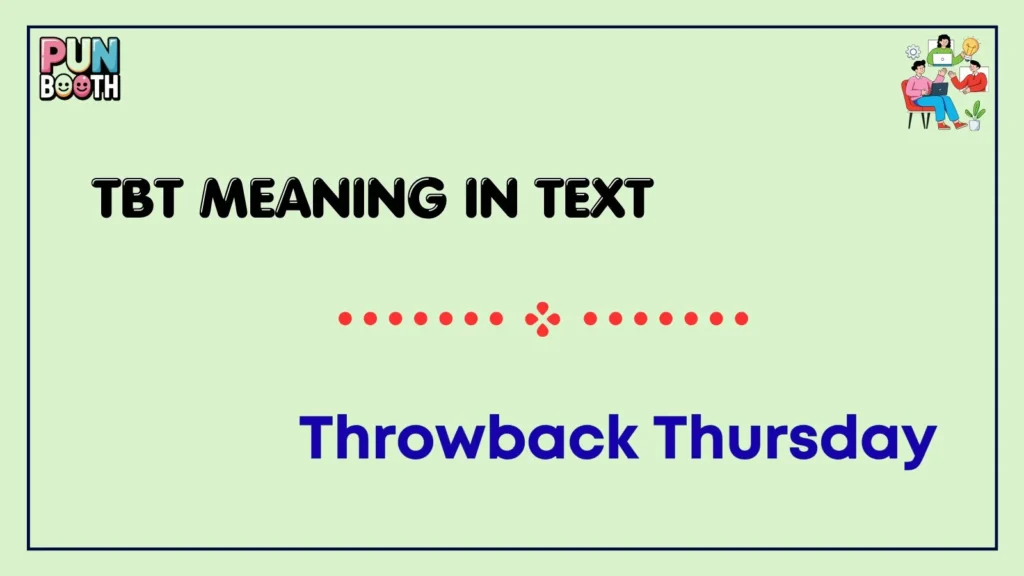
TBT stands for “Throwback Thursday.” It is commonly used in text messages, social media posts, and captions to refer to something from the past—usually a memory, photo, or event.
When someone uses TBT, they are typically sharing nostalgic content. For example:
- “TBT to our school days 😂”
- “#TBT best vacation ever!”
The key idea behind TBT is revisiting old memories and sharing them with others. It’s most commonly used on Thursdays, but in casual texting, people may use it anytime to reference the past.
In short, TBT = remembering and sharing something old in a fun or emotional way.
Background & History
The term TBT originated on social media platforms, especially Instagram and Twitter, in the early 2010s. It started as a hashtag trend where users would post old photos every Thursday.
The trend quickly gained popularity because people enjoy reminiscing about past experiences—whether it’s childhood pictures, old friendships, or past achievements. Over time, TBT became a weekly ritual for millions of users worldwide.
As social media evolved, TBT moved beyond just hashtags. People began using it in text messages, chats, and even memes. Today, it’s widely recognized and used across platforms like Instagram, Facebook, Snapchat, and WhatsApp.
Usage in Various Contexts
TBT is flexible and can be used in different situations:
1. Social Media Posts
Most commonly used as a hashtag:
- “#TBT to my first job!”
2. Text Messages
Used casually in chats:
- “Haha TBT when we got lost in the mall”
3. Memes & Humor
People use TBT to create funny throwbacks:
- “TBT to when I thought I’d be rich by 25 😂”
4. Personal Reflection
Sometimes used for emotional or meaningful memories:
- “TBT to the best day of my life”
In all cases, the tone depends on context—it can be funny, nostalgic, or emotional.
Common Misconceptions & Clarifications
There are a few misunderstandings about TBT:
- It must be used only on Thursdays:
Originally yes, but now people use it anytime in casual texting. - It only applies to photos:
Not true. It can refer to memories, events, or even feelings. - It always means something happy:
While usually positive, it can also refer to bittersweet or emotional moments.
Understanding these clarifications helps you use TBT more naturally and correctly.
Similar Terms & Alternatives
Several other terms are similar to TBT:
- FBF (Flashback Friday): Similar concept but used on Fridays
- TB (Throwback): Shorter version without a specific day
- Memory lane: A phrase used to describe reminiscing
- Old times / Back in the day: Informal alternatives
These terms serve the same purpose—talking about the past—but TBT remains the most popular.
How to Respond to This Term
When someone uses TBT, you can respond in different ways depending on the context:
- Agree and join in:
“Haha yes! Those were the best days.” - Share your own memory:
“TBT to when we did that again 😂” - React emotionally:
“Miss those times so much!” - Ask a question:
“When was this taken?”
The best responses are natural and match the tone of the conversation.
Regional or Cultural Differences
TBT is widely used across the globe, but its popularity varies:
- Western countries: Extremely common on Instagram and Twitter
- South Asia (including Pakistan): Frequently used among younger audiences
- Non-English speaking regions: Often used alongside local languages
Despite cultural differences, the meaning remains consistent worldwide.
Comparison with Similar Terms
TBT differs slightly from other related terms:
- TBT vs FBF:
TBT is more popular and widely recognized - TBT vs “Back in the day”:
TBT is more modern and digital-friendly - TBT vs Memories:
TBT specifically implies sharing publicly, not just remembering privately
Overall, TBT has a more social and trend-based usage.
Usage in Online Communities & Dating Apps
In online communities and dating apps, TBT is used creatively:
- Profiles:
“TBT to my travel adventures ✈️” - Chats:
“TBT to when I first joined this app 😂” - Icebreakers:
Sharing old stories can help start conversations
It helps people connect through shared experiences and nostalgia.
Hidden or Offensive Meanings
TBT is generally safe and harmless. However:
- It can sometimes be used sarcastically
- Rarely, it might be used to bring up embarrassing past moments
There are no widely recognized offensive meanings, making it a low-risk term in communication.
Suitability for Professional Communication
TBT is not suitable for formal or professional communication such as:
- Emails
- Business reports
- Job applications
However, it may be acceptable in casual workplace chats or social media posts related to company culture.
In professional settings, it’s better to use full phrases like “looking back” or “in the past.”
FAQs:
What does TBT mean in text?
TBT means “Throwback Thursday,” used to share past memories.
Can TBT be used any day?
Yes, in casual texting it can be used anytime.
Is TBT only for photos?
No, it can refer to memories, events, or experiences.
What is the difference between TBT and FBF?
TBT is used for Thursday, while FBF is for Friday.
Is TBT formal or informal?
It is informal and mainly used in casual communication.
Why do people use TBT?
People use it to share nostalgic moments and memories.
Conclusion:
TBT has evolved from a simple hashtag into a widely used expression in digital communication. Whether you’re posting old photos, recalling funny memories, or starting a conversation, it adds a nostalgic and relatable touch.
Understanding its meaning, usage, and context helps you communicate more naturally online. While it’s perfect for casual chats and social media, it’s best avoided in formal settings.
Overall, TBT remains a fun and expressive way to connect with others through shared memories.

Hi, I’m Leo Anderson, the creator behind PunBooth, a space dedicated to exploring meanings, slang, text abbreviations, and the ever-evolving language of the internet.
At PunBooth, my goal is simple: to make complex words, confusing slang, and trending phrases easy to understand for everyone. Whether it’s a viral text abbreviation, a hood slang term, or a word you’ve seen online but didn’t quite get, I break it down into clear, simple, and human-friendly explanations.